
Why?
Medicine traditionally meets in silos: conferences are built around specialties (radiology, pathology, laboratory medicine, etc.). But the data those specialties produce—structured test results, images, pathology reports—only reaches its full potential when different clinical perspectives meet data science, policy and industry.

Connect across and beyond medicine
We bring together clinicians, laboratory specialists, radiologists, pathologists, data scientists, legal and policy experts, and industry—so practical problems are discussed from every angle, not just one discipline’s viewpoint.

Turn routine diagnostic data into practical value
The summit focuses on near‑term, real‑world possibilities: how the data we already generate in clinical workflows can be used for better diagnostics, quality assurance, and research.

Collaborate responsibly
We encourage close cooperation with data scientists while respecting legal and ethical boundaries (GDPR, patient privacy, data governance). Practical, lawful workflows and safeguards are part of the conversation—not an afterthought.
Balance insight and interaction
D4 pairs short, focused talks from field experts with generous networking time and hands‑on demos so attendees can both learn what’s working today and make the connections needed to build it tomorrow.
Make impact, not just slides
D4 2026 is a compact, cross‑disciplinary meetup designed to move diagnostics forward by combining clinical expertise, data science, and policy in practical, ethically sound ways—while giving people time to connect, collaborate and invent together.
In Short
D4 2026 is a compact, cross‑disciplinary meetup designed to move diagnostics forward by combining clinical expertise, data science, and policy in practical, ethically sound ways—while giving people time to connect, collaborate and invent together.
Want to support or exhibit?
Showcase measurable impact to decision‑makers and find pilot partners among clinicians, data scientists and policy leads. Get rapid feedback through demos and lightning talks in a curated, limited audience. Increase your visibility and help shape practical standards and deployments.
Auspices
The D4 summit will be held under the auspices of the following institutions / societies
EFLM
European Federation of Clinical Chemistry and Laboratory Medicine

Austrian Society of Laboratory Medicine and Clincial Chemistry
Österr. Ges. f. Labormedizin und Klinische Chemie
Austrian Society of Radiology and Nuclear Medicine
Österreischische Röntgengesellschaft
German Society for Clinical Chemistry and Laboratory Medicine e. V.
Deutsche Gesellschaft für Klinische Chemie und Laboratoriumsmedizin e. V.
Swiss Society of Clincial Chemistry
Schweizerische Gesellschaft für Klinische Chemie
Société Suisse de Chimie Clinique
Società Svizzera Chimica Clinica
Paracelsus Medical University Salzburg
Paracelsus Medizinische Privatuniversität Salzbug
Who?
D4 2026 is being organized by the LabMed Alliance, a conglomerate of laboratory specialists from Canada, Germany and Austria, in collaboration with specialists in laboratory medicien, radiology and data science.
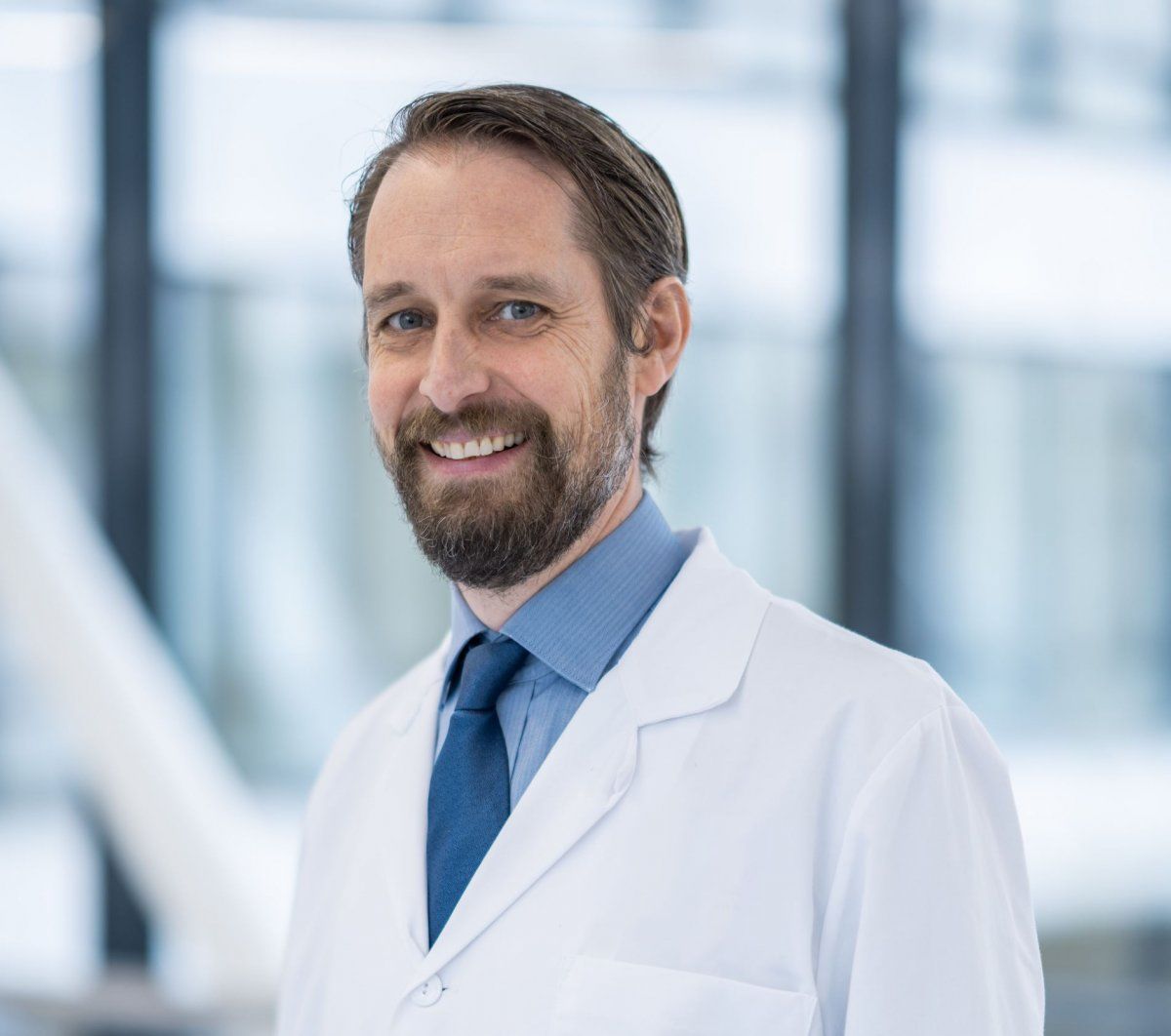
Alex
Alexander von Meyer is a laboratory physician with extensive experience in clinical chemistry and healthcare organization, currently as the head of the Dept. of Laboratory Medicine of the Barmherzige Brüder Hospital in Munich.
As an organizer of D4, he adds leadership experience and a clear focus on integrating innovation sustainably into clinical practice.
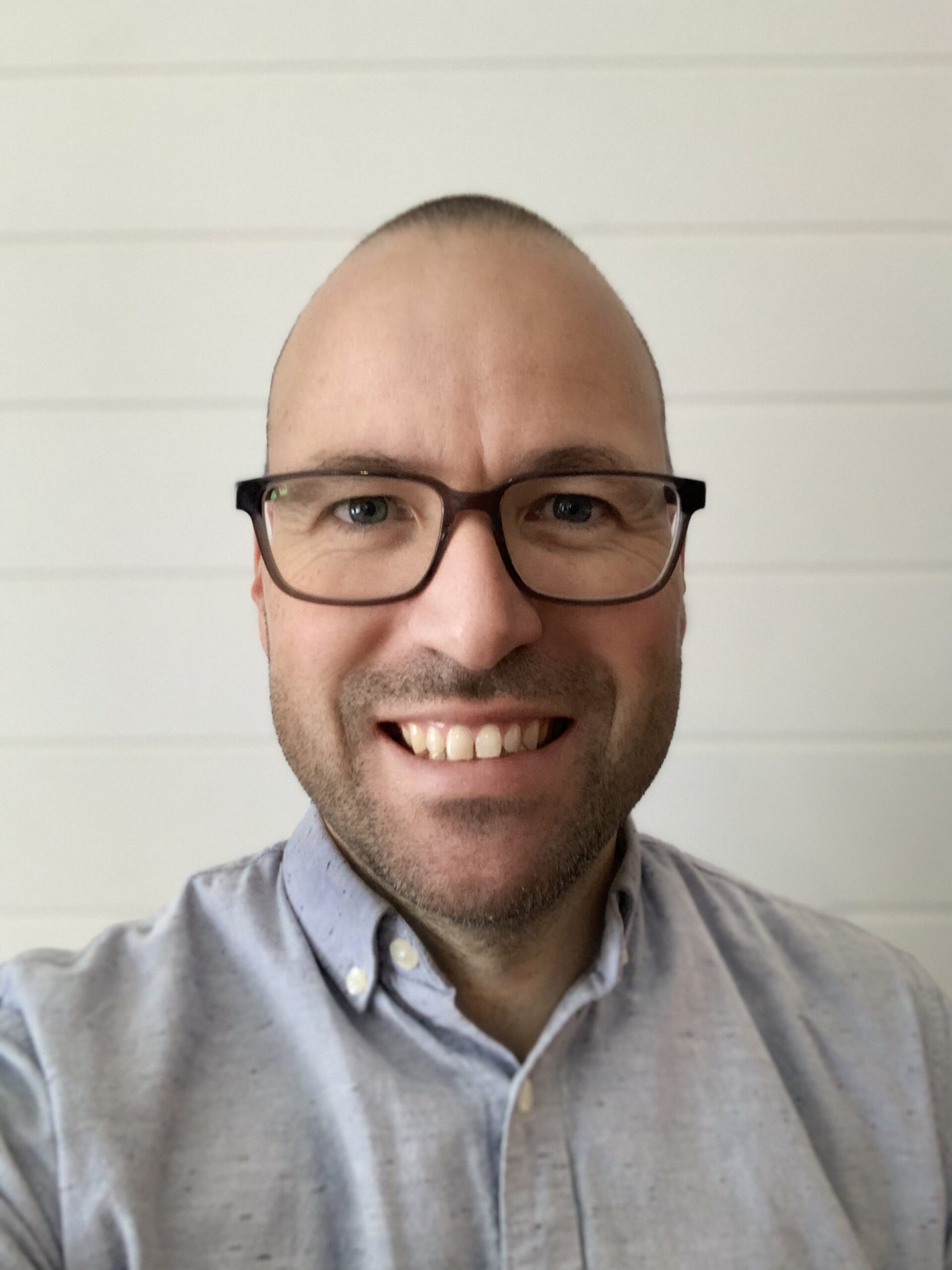
Vincent
Vincent De Guire is a clinical biochemist at Maisonneuve Rosemont Hospital in Montreal and an expert in translational laboratory medicine and patient safety.
Through LabMed Alliance, he fosters international collaboration and innovation in diagnostics.
As an organizer of D4, he contributes a strong global perspective on data driven and innovative approaches in modern laboratory medicine.
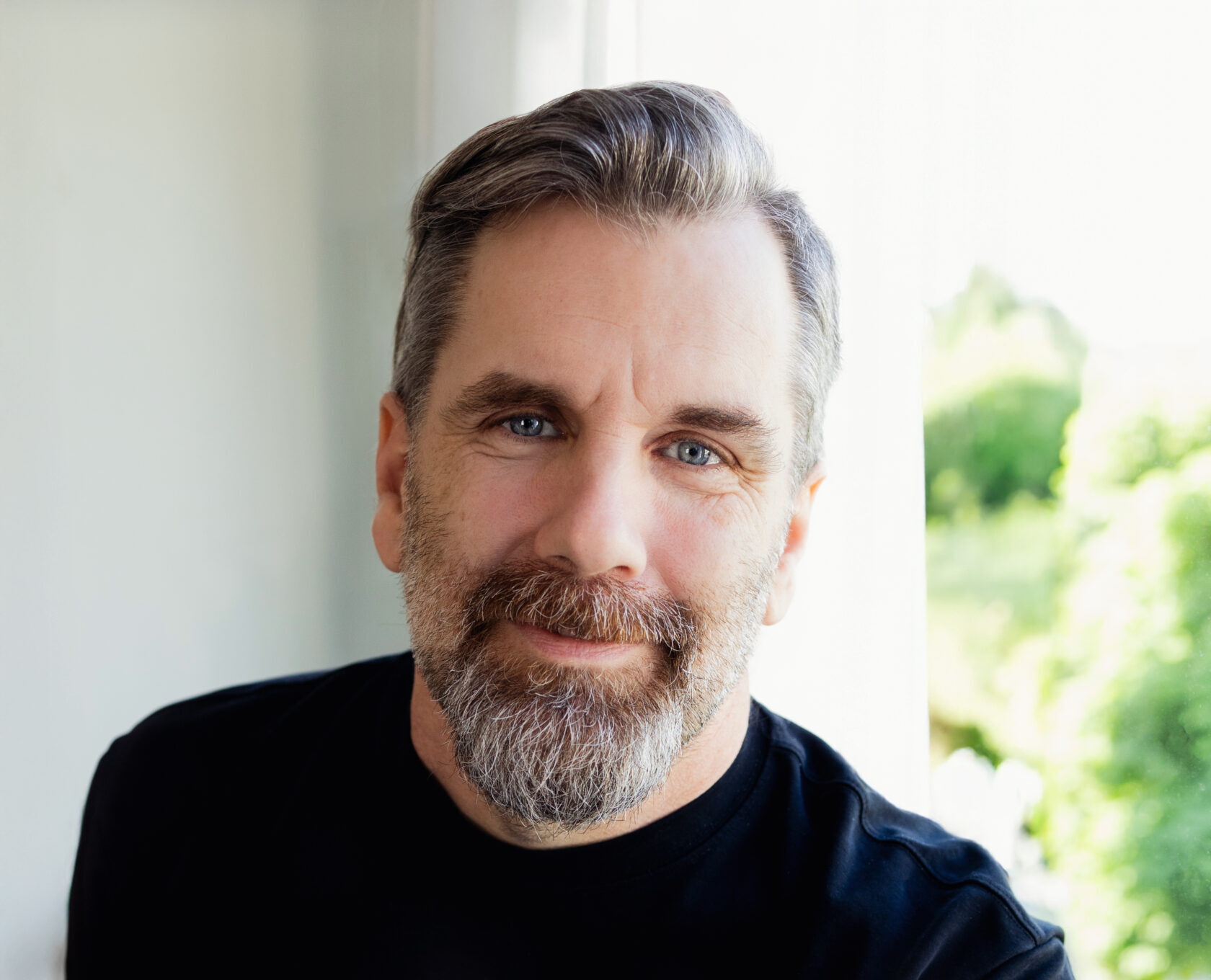
Janne
Janne Cadamuro is a specialist in laboratory medicine and head of the Dpt. of Laboratory Medicine of the University hospital in Salzburg, Austria, with a focus on preanalytics, diagnostic pathways, and digital innovation. As a member of LabMed Alliance, he advances modern, value-driven laboratory concepts.
As an organizer of D4, he brings hands-on expertise at the interface of laboratory processes and AI-driven transformation.
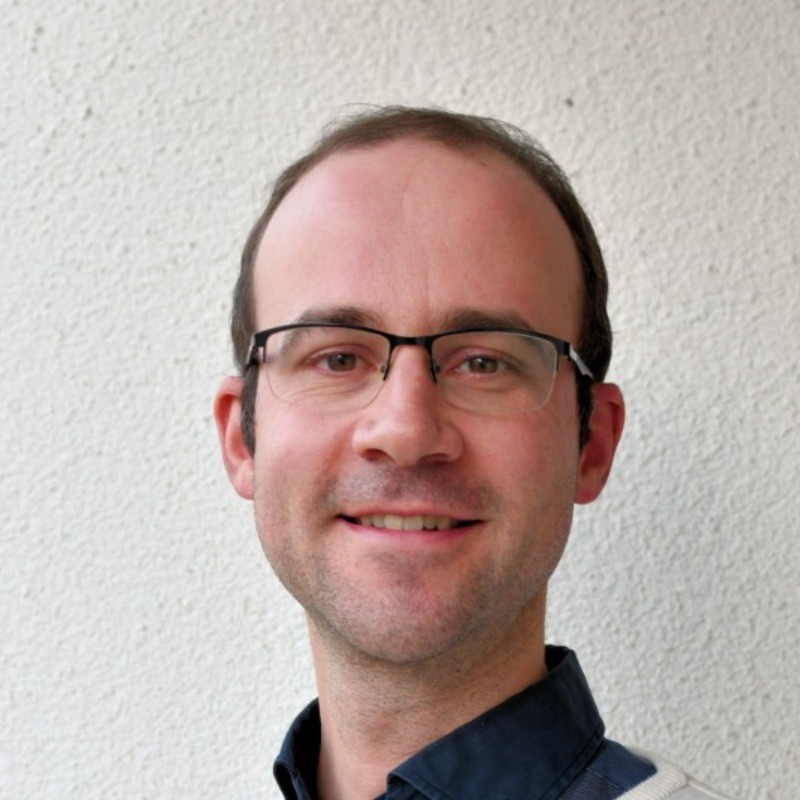
Georg
Georg Zimmermann is a researcher at the Lab for Intelligent Data Analytics Salzburg (IDA Lab), Department of Artificial Intelligence and Human Interfaces at Paris Lodron University of Salzburg and head of the Biostatistics & Big Medical Data of the Paracelsus Medical University. His work focuses on applied AI and data-driven systems in real-world settings.
As co-organizer of D4, he contributes his expertise in translating advanced AI methods into practical solutions for healthcare and laboratory medicine.
Klaus
Klaus Hergan is a senior radiologist and head of the Department of Radiology at SALK – Salzburger Landeskliniken. He has longstanding expertise in clinical imaging and interdisciplinary diagnostics.
As co-organizer of D4, he brings deep clinical insight and a strong connection to everyday hospital practice, ensuring that technological innovation remains closely aligned with patient care.
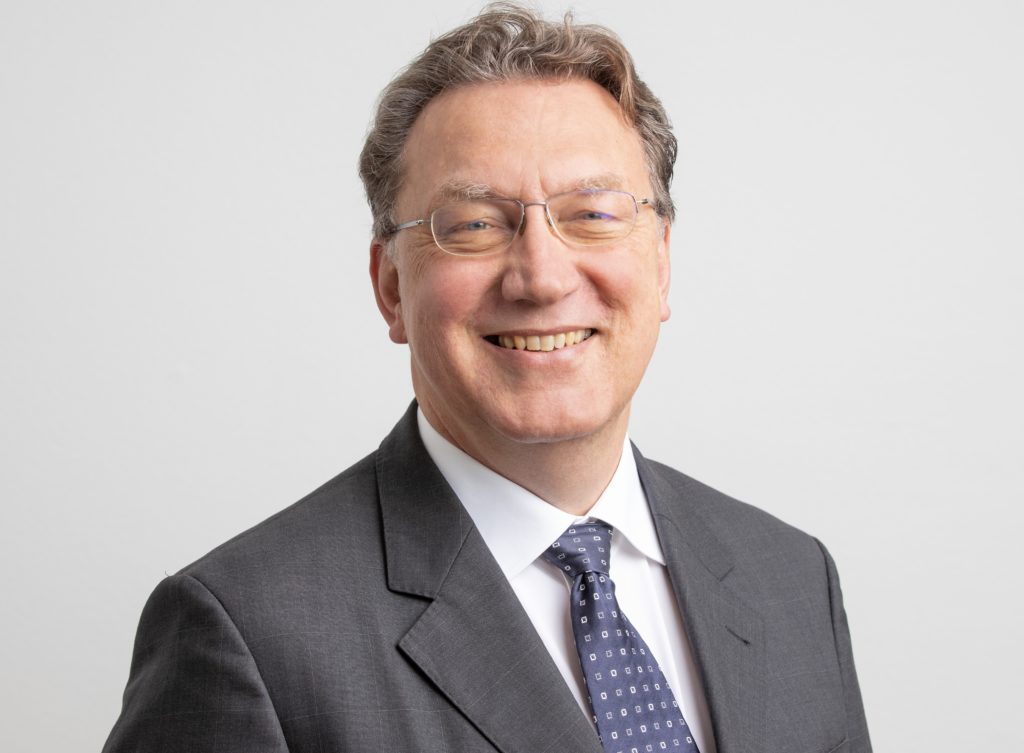
Wolfang
Wolfgang Korte is a Swiss physician and expert in laboratory medicine with a focus on hemostasis and coagulation diagnostics. He has extensive experience in bridging clinical practice and advanced laboratory analytics.
As co-organizer of D4, he contributes deep expertise in translational laboratory medicine and ensures a strong connection between AI innovation and real-world clinical decision-making.
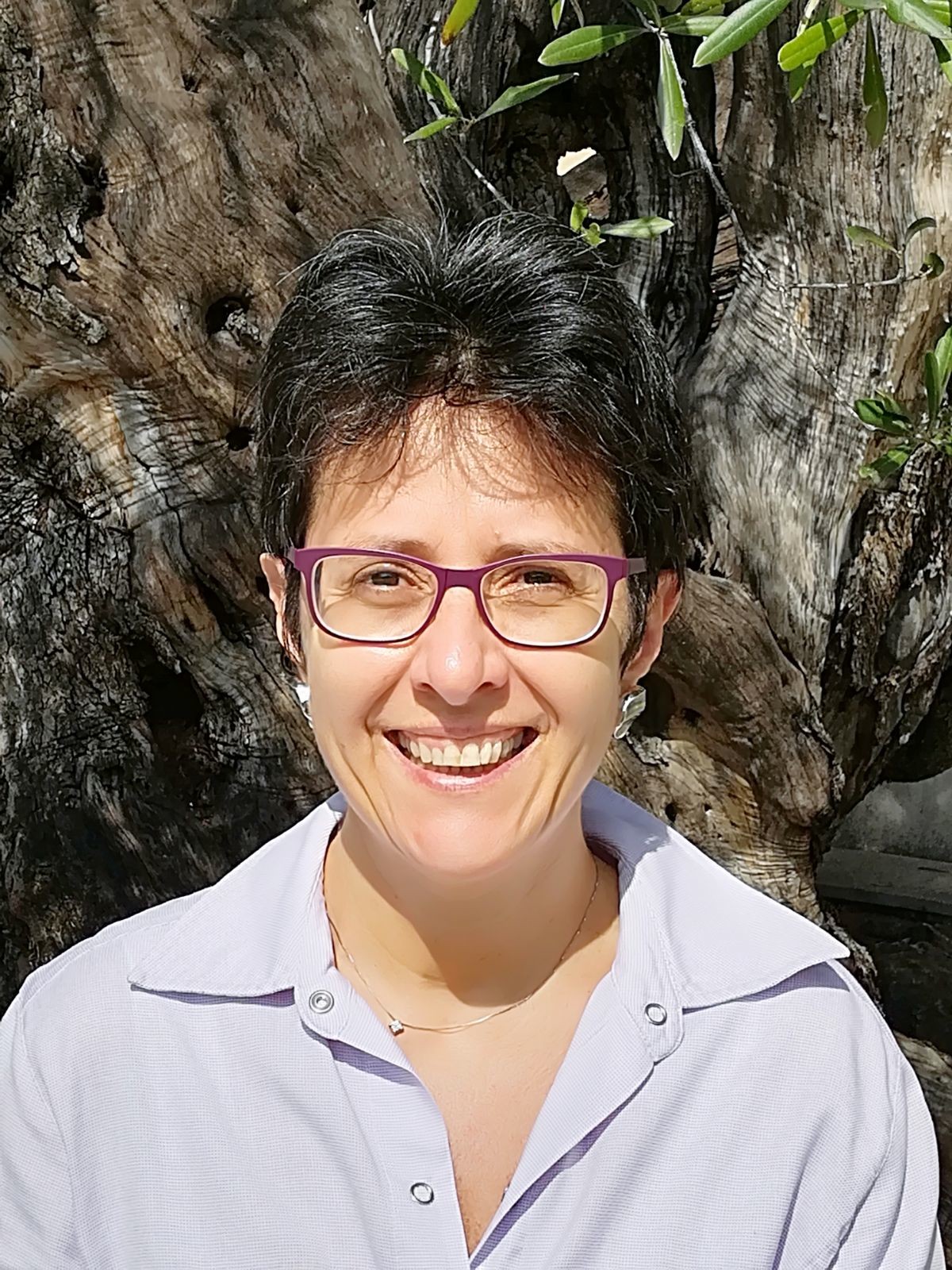
Anna
Anna Carobene is a clinical biochemist and member of the European Federation of Clinical Chemistry and Laboratory Medicine Working Group on Digitalisation and Artificial Intelligence. She focuses on integrating AI and digital tools into laboratory medicine while maintaining high quality standards.
As co-organizer of D4, she strengthens the program’s European perspective on responsible AI in diagnostics.
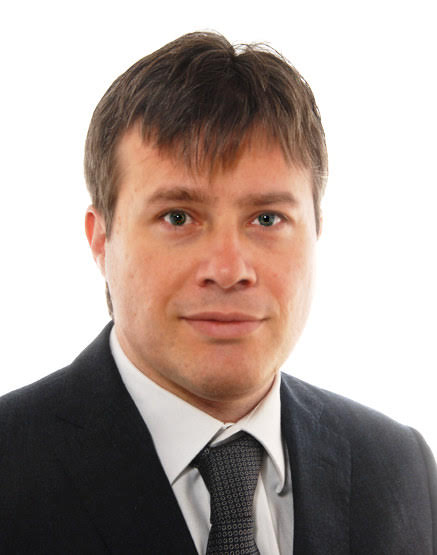
Andrea
Andrea Padoan is a clinical pathologist at the University of Padua and member of the European Federation of Clinical Chemistry and Laboratory Medicine Working Group on Digitalisation and Artificial Intelligence.
As co-organizer of D4, he brings expertise in AI-driven diagnostics and digital innovation in laboratory medicine.